

Donate today through our website today to help Peru’s rangers protect spectacled bears and their habitat, or give on behalf of a friend or family member for Christmas and receive a personalised Adopt a Bear gift certificate!
The equatorial dry forests of Peru and Ecuador is one of the most threatened neotropical ecosystems with just 10% of its original coverage remaining. It is home to unique wildlife including the iconic spectacled bear which is becoming increasingly threatened due to habitat loss.
The spectacled bear is the only bear species native to South America, with its range confined to the dry forests, cloud forests and deserts of the Andes mountains. In forested areas, the bears often spend a lot of time in the trees, whilst in deserts, they live in the undergrowth. Like many bear species, they are omnivorous and adapt their diet to what is readily available, which can include fruit, cacti, leaves, bark, bromeliads, carrion, insects, birds and small mammals. Their strength and solitary nature have made them the subject of important local folklore, while around the world, the spectacled bear is best known as the inspiration for the much loved children’s character, Paddington!
Spectacled bears are an important umbrella species – conserving the bears has the knock on effect of protecting many other species that share their habitat including mountain tapir, ocelots, puma, jaguarundi, Andean condor, white winged guan and hundreds of others.
The Laquipampa Wildlife Refuge in the Lambayeque region on north east Peru is an important protected area for spectacled bear conservation. Currently, the park is protected by just three official rangers. In the past, these rangers were supported by a network of volunteers from local communities, however this programme had to be suspended due to lack of funds. The knock on effects of this, along with the pressures of the covid-19 pandemic have meant that surveillance of the bears and other wildlife is reduced, monitoring of conservation agreements can’t be carried out effectively, and the rangers often have to work alone in dangerous conditions.
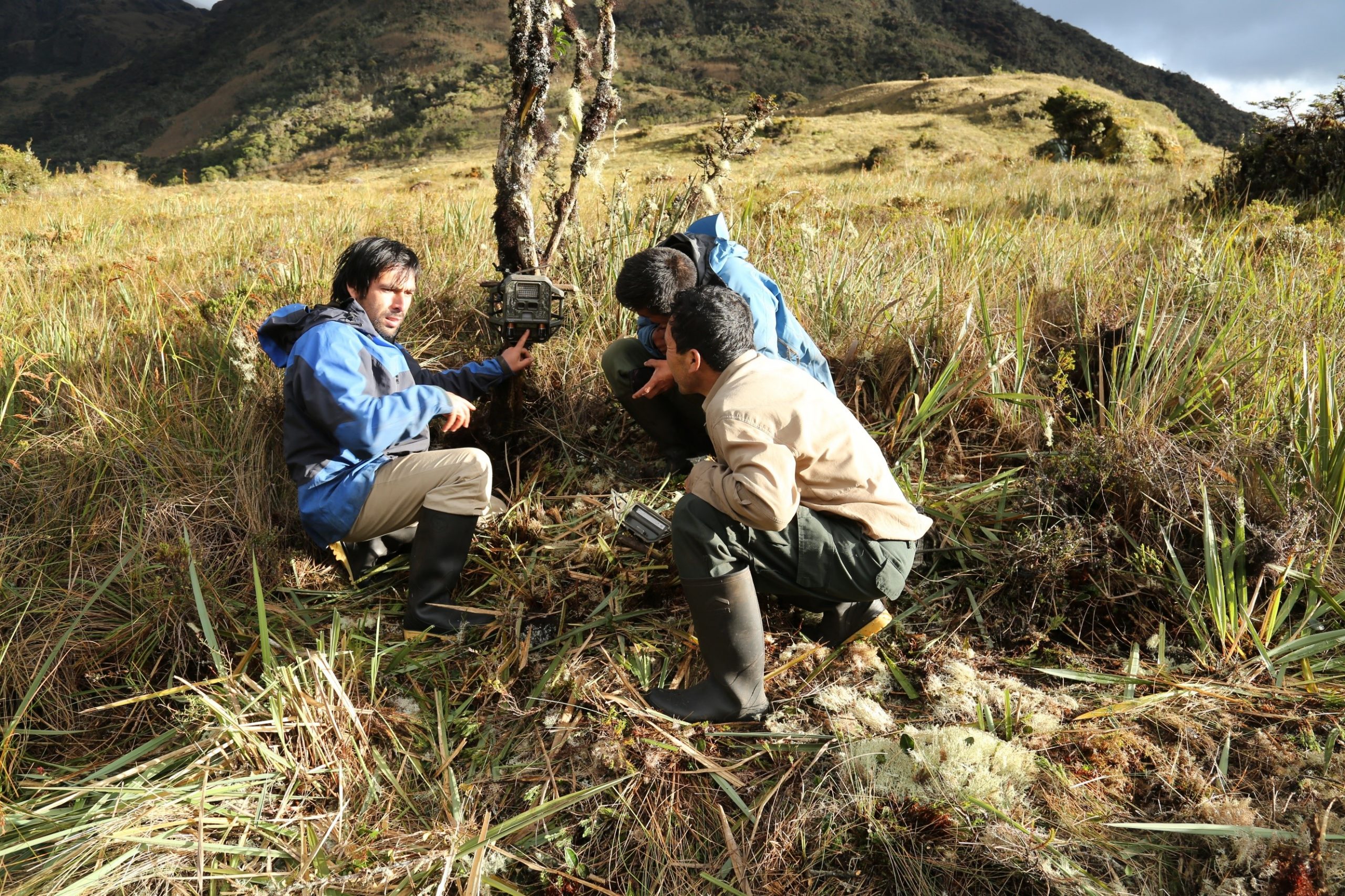
Working with our on the ground partners, the Spectacled Bear Conservation Society, we aim to fund training for a network of 20 local voluntary rangers in a range of essential fields including surveillance, first aid and conflict resolution. We will also provide equipment for rangers to improve safety and capacity. This will range from the basics like uniform, PPE, torches, stationery, first aid kits and tents, to technology to help improve the monitoring of spectacled bears and other wildlife, such as GPS and cameras.
With your help, this Christmas, we can ensure that the park rangers and voluntary rangers at the Laquipampa Wildlife Refuge are well equipped to carry out their work safely and effectively to protect the spectacled bears and their habitats.
